Leasing guide
Contract Hire vs Personal Lease
Understanding the Key Differences
Business or personal? Discover the tax advantages, structural differences, and distinct benefits of Business Contract Hire (BCH) and Personal Contract Hire (PCH) in the UK.
The Same Mechanism, Different Audiences
At a fundamental level, Business Contract Hire (BCH) and Personal Contract Hire (PCH) operate on the exact same mechanical principle. You pay an initial rental, followed by fixed monthly payments for a set period (e.g., 2 to 4 years), while adhering to a strict annual mileage allowance. At the end of the term, you simply hand the vehicle back to the finance company without worrying about depreciation or trying to sell it.
The difference lies entirely in who signs the contract, the subsequent tax implications, and how the monthly prices are presented. Understanding these variations is crucial for company directors, sole traders, and private individuals to ensure they are sourcing their vehicle through the most financially efficient channel.
Business Contract Hire (BCH)
Available strictly to Limited Companies, Partnerships, Sole Traders, and LLPs.
- Pricing Display: Prices are generally advertised excluding VAT.
- VAT Reclamation: VAT-registered businesses can usually reclaim 50% of the VAT on the finance element (100% for commercial vans or strictly business-only cars).
- Tax Offset: The rental payments can be offset against corporation tax as a business expense.
- Benefit-in-Kind (BiK): Employees using the car for personal use will be subject to company car tax (BiK).
Personal Contract Hire (PCH)
Designed for private individuals taking the vehicle out in their own name.
- Pricing Display: Prices are advertised including VAT, reflecting the true cost to the consumer.
- VAT Reclamation: Private individuals cannot reclaim any VAT. What you see is what you pay.
- Tax Offset: No corporate tax relief is available for personal lease contracts.
- Benefit-in-Kind (BiK): Because it is a personal agreement, there is zero company car tax to pay, regardless of the vehicle's emissions.
The Fleet Discount Factor
You might notice that the base rental price (before VAT is calculated) is sometimes cheaper on a Business lease compared to a Personal lease for the exact same car. This is because manufacturers and finance companies often offer specific "fleet discounts" to businesses to incentivise corporate uptake.
However, company directors must tread carefully. If you lease a high-emission, expensive petrol SUV through your Limited Company (BCH), you will face a massive personal Benefit-in-Kind (BiK) tax bill that could vastly outweigh the VAT savings. In such scenarios, withdrawing the cash as a dividend and leasing it personally (PCH) might be significantly cheaper overall.
Conversely, utilising BCH to lease an Electric Vehicle (EV) is currently incredibly lucrative, as EVs carry a minuscule BiK rate (fixed at 2% until April 2025), making them the ultimate corporate perk.
Eligibility & Credit
For BCH: The credit check is performed on the business entity. The business must generally have trading history, file accounts, and demonstrate sufficient profitability to cover the lease commitments. New start-ups may require director guarantees.
For PCH: The credit check is performed entirely on you as an individual. Finance companies will assess your personal credit score, electoral roll status, and debt-to-income ratio using standard consumer credit protocols.
Available now
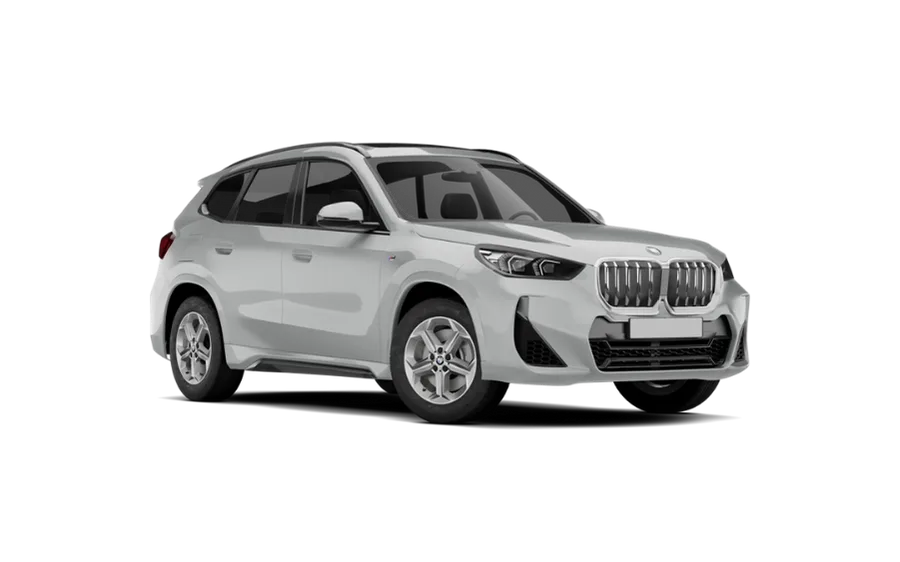
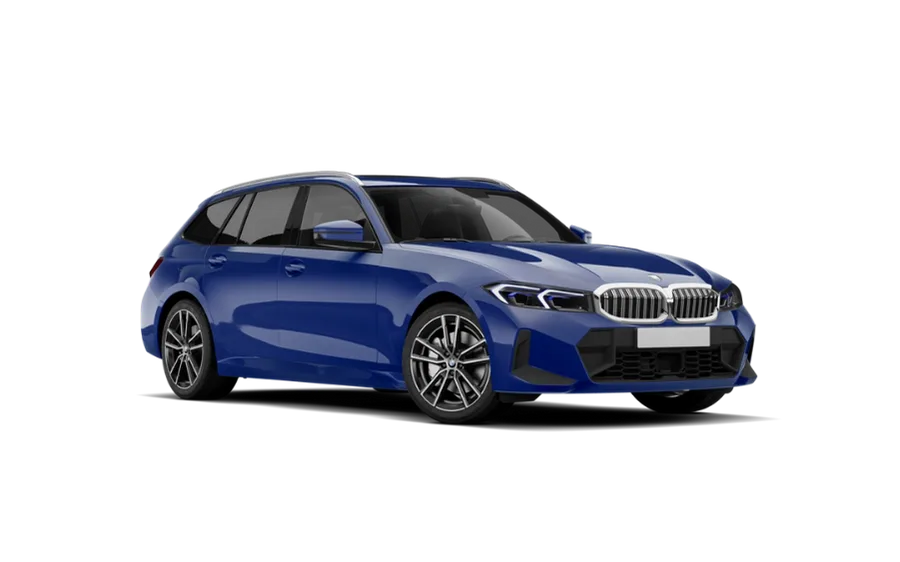
In-stock vehicles ready for quick delivery, from £459 per month exc. VAT.
Frequently asked questions
I am a sole trader, should I use BCH or PCH?
Can I buy the car at the end of a Contract Hire?
Does personal leasing offer maintenance packages?
Start your leasing journey
Tell us your requirements and we'll come back with a competitive, tailored quote.